Professional Cleaning vs DIY Pressure Washers: True Costs
Few home maintenance jobs look as simple as pressure washing. Hire a machine from the hardware store, spend a Saturday blasting the driveway, and enjoy the results. For many Maroochydore homeowners, the question is whether doing it yourself actually saves money once everything is counted. The answer depends on more than the price on the hire tag or the sticker on the box. This guide breaks down the real costs of both options so you can decide with confidence.
Why Maroochydore Properties Need Regular Exterior Cleaning
The Sunshine Coast climate is tough on outdoor surfaces. High humidity, regular summer rain, salt-laden coastal air, and strong UV exposure create ideal conditions for mould, algae, lichen, and mildew. Concrete driveways, pavers, rendered walls, roof tiles, decks, and pool surrounds all discolour faster here than in drier inland regions.
Left untreated, this growth does more than look untidy. Algae and mould on paths and pool areas create slip hazards. Moss on roof tiles can trap moisture and shorten the life of the roof. Built-up grime on painted surfaces can break down coatings and lead to earlier repainting. Regular cleaning is a maintenance investment rather than a cosmetic extra.
The Real Cost of DIY Pressure Washing
The appeal of DIY is the low upfront figure, but several costs sit behind it.
Equipment Purchase or Hire
Entry-level electric pressure washers are inexpensive, but they typically produce lower pressure and flow, which means slower work and weaker results on stubborn stains. Mid-range and petrol units that perform closer to professional standards cost considerably more to buy. Hiring a petrol machine for a day or weekend is cheaper than buying, but it adds delivery or pick-up effort, and a single day is often too short for a large property with multiple surfaces.
Accessories and Consumables
The machine is only part of the bill. Results on mould-affected surfaces usually depend on the right detergents and treatments, not pressure alone. Additional costs often include:
- Surface cleaner attachments, which give an even finish on large flat areas and reduce streaking
- Extension hoses, nozzles, and lances for hard-to-reach areas
- Mould and algae treatments, degreasers, and rust or tannin removers
- Fuel for petrol machines or higher electricity and water use
- Protective gear such as eye protection, gloves, and non-slip footwear
- Sealer, if you want to protect pavers or concrete after cleaning
Your Time
This is the cost most people underestimate. A typical home with a driveway, paths, patio, and fence line can easily consume a full weekend once setup, cleaning, rinsing, and pack-up are included. Professional crews use commercial equipment and work to a routine, so they often complete the same job in a fraction of the time. If you value your weekend at even a modest hourly rate, the savings from DIY shrink quickly.
The Risk of Damage
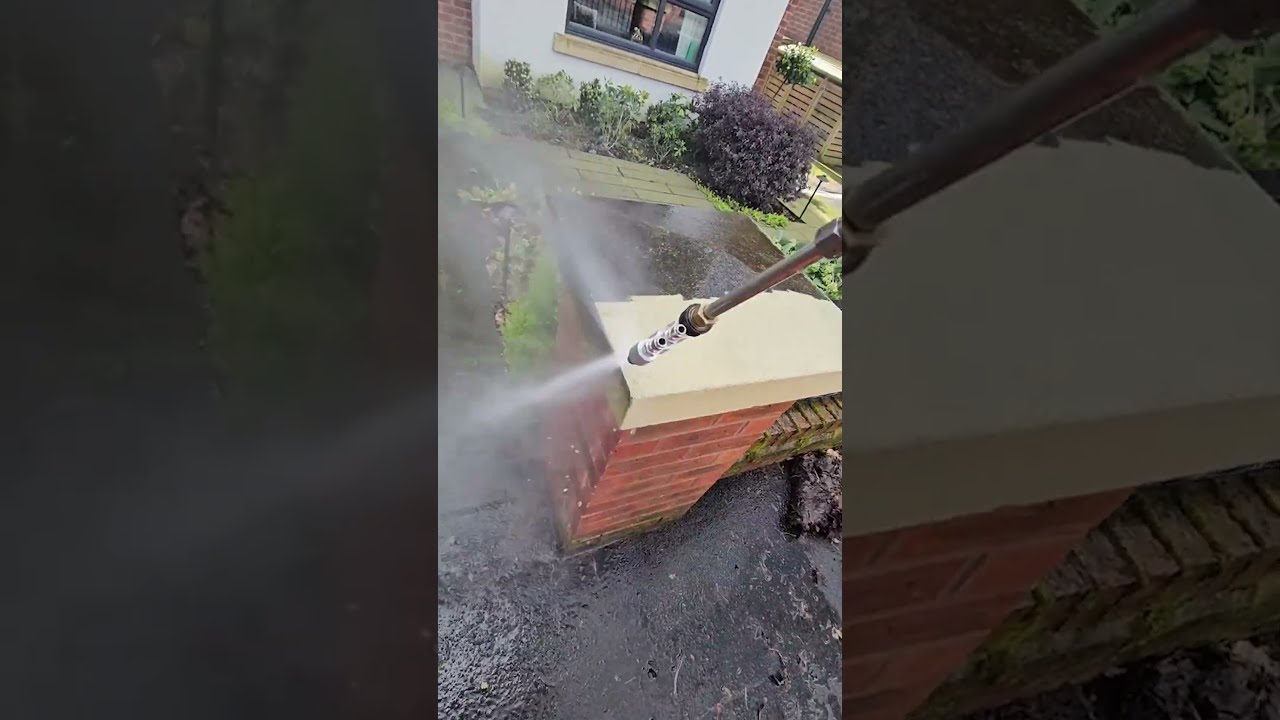
Pressure washing is easy to do badly. Too much pressure, the wrong nozzle, or holding the wand too close can etch concrete, gouge timber, strip paint, loosen the sand between pavers, and force water behind cladding or into roof spaces. Pressure used on roof tiles can crack them or remove the surface coating. Repairing this damage often costs far more than a professional clean would have. Ladders add a further safety risk, since falls from ladders and roofs are a leading cause of serious home maintenance injuries.
Water Use and Runoff
Pressure washing uses a lot of water, and runoff carries detergents, dirt, and contaminants into stormwater drains that lead to local waterways. Sunshine Coast residents are encouraged to prevent pollutants from entering stormwater, and it is worth checking current council guidance and any water restrictions before starting a large job.
What Professional Cleaning Really Costs
Professional pricing varies with the size of the property, type of surface, level of soiling, access, and whether the job includes roofs or multiple storeys. Many providers quote per square metre for driveways and hard surfaces, or offer package pricing for whole-home exterior cleans. A professional quote usually covers labour, equipment, cleaning solutions, insurance, and cleanup in one price.
What You Are Paying For
- Commercial-grade equipment with higher flow rates, surface cleaners, and hot-water options where needed
- Surface knowledge to match pressure, technique, and chemicals to concrete, pavers, tiles, timber, render, or Colorbond
- Soft washing for roofs and delicate surfaces, which uses low pressure and specialised treatments to kill mould at the source
- Insurance and safety including working-at-heights practices and public liability cover
- Wastewater management to limit runoff and keep the job compliant
- Speed and consistency with a streak-free result and no lost weekend
Professionals also tend to deliver longer-lasting results. Treatments applied to kill spores, rather than simply blast off surface growth, can slow the return of mould and algae, which is especially valuable in Maroochydore's humid conditions.
Side-by-Side Cost Comparison
Here is how the two approaches compare across the factors that matter most.
Upfront Cost
DIY wins on the headline figure, particularly for a small job such as a single path or a small patio. Once you add equipment, treatments, and accessories, the gap narrows. For larger properties or multiple surfaces, a professional quote can be competitive with the total DIY spend.
Time and Effort
Professionals win clearly. A job that takes you a weekend is typically done in a few hours by a trained team, and you avoid the physical strain of hours spent bent over a wand.
Quality of Results
Professionals generally achieve more even, cleaner, and longer-lasting results. Common DIY problems include zebra striping on concrete, missed edges, leftover mould in pores, and blotchy patches where the technique varied.
Risk and Liability
With DIY, you carry all the risk of injury, property damage, and neighbour disputes over overspray or runoff. A licensed, insured professional carries that responsibility, which can be worth a great deal if something goes wrong.
Long-Term Value
Correct cleaning protects your investment. Regular professional maintenance can extend the life of roofing, paint, decking, and paving, while poor DIY technique can shorten it. Clean exteriors also improve street appeal, which matters if you plan to sell or rent your property in 2026 or in the years beyond.
When DIY Makes Sense
DIY pressure washing can be a sensible choice in certain situations. Small, hard-wearing surfaces such as a short concrete path, a garage floor, or outdoor furniture are low-risk and suit a basic machine. If you already own a quality washer, enjoy the work, and the surfaces are single-storey and robust, a DIY approach can be economical.
If you go this route, keep these tips in mind:
- Test the pressure on a hidden area first and start with the widest nozzle.
- Keep the wand at a consistent distance and use overlapping, even passes.
- Apply a mould and algae treatment before washing on shaded, damp areas.
- Never pressure wash roof tiles, aged render, or soft timber at high pressure.
- Avoid ladders and roof work, and block runoff from reaching stormwater drains.
When to Call a Professional
Hiring a professional is the smarter option for roofs, two-storey homes, large driveways, textured or porous surfaces, heavily stained or mould-affected areas, and any surface where damage would be costly to repair. It is also a better choice if you are preparing for a sale, a repaint, or sealing, since proper preparation determines how well the finish performs.
Questions to Ask Before You Book
Choosing the right local provider matters as much as choosing to hire one. Ask about public liability insurance, whether they use soft washing on roofs, how they manage wastewater, what treatments they use against regrowth, and whether quotes are fixed and itemised. Local reviews and photos of previous work are useful indicators of reliability and quality.
The Verdict: Looking Beyond the Price Tag
For small, simple jobs, DIY pressure washing can save money. For most Maroochydore homes, though, the true cost includes equipment, treatments, time, physical effort, risk, and the chance of costly mistakes. When those are counted honestly, professional cleaning often delivers better value, https://jaidendrbp262.laurelcurrent.com/posts/ultimate-guide-to-pool-surround-cleaning-and-slip-prevention with safer processes, stronger results, and longer-lasting protection against the coast's relentless mould and grime.

Before you commit to either option, get a written quote from a local professional and compare it with a realistic DIY budget that includes your time. The right choice is the one that protects your property, fits your schedule, and keeps your home looking its best throughout 2026 and into 2027.
Maroochydore Pressure Cleaning
Ends · ANGELOWSBU219