How to Remove Grease and Grime From Commercial Loading Docks
Loading docks are the hardest-working areas of any commercial property. Trucks, forklifts, pallet jacks and constant foot traffic leave behind a layer of oil, hydraulic fluid, diesel residue, tyre marks, food waste and ingrained dirt. For businesses in Maroochydore, whether in the industrial estates around Kunda Park and Warana or in the commercial precinct near the CBD, a dirty dock does more than look unprofessional. It creates slip hazards, attracts pests and can lead to costly compliance problems. This guide explains how to remove grease and grime properly and how to keep your dock clean in 2026 and beyond.
Why Loading Dock Cleanliness Matters
Grease on concrete is a safety issue before it is an appearance issue. Slippery surfaces are a leading contributor to workplace slips, trips and falls, and under Queensland's work health and safety laws, businesses have a duty to keep workplaces free from foreseeable hazards. A dock coated in oil makes it much harder for staff to move heavy loads safely.
There are other good reasons to stay on top of it:

- Safety: Oil and grease reduce traction for workers, forklifts and trolleys.
- Pest control: Food residue and organic grime attract rodents, flies and cockroaches, a particular concern in Sunshine Coast humidity.
- Environmental compliance: Contaminated runoff can enter stormwater drains and reach local waterways, including the Maroochy River catchment.
- Surface protection: Oil soaks into porous concrete and, left untreated, causes permanent staining and deterioration.
- Brand image: Suppliers, customers and inspectors often judge a business by the condition of its loading area.
Understanding What You Are Cleaning
Not all dock contamination is the same, and using the wrong method can spread the problem or damage the surface. Start by identifying what you are dealing with.
Fresh Oil and Fluid Spills
Recent spills sit on or near the surface and can usually be absorbed and lifted before they penetrate. Speed is the key. The faster you act, the less likely a permanent stain becomes.
Ingrained Grease and Old Stains
Older stains have soaked into the pores of the concrete. These need a degreaser with adequate dwell time, agitation and often hot water to draw the contaminants out.
General Grime and Tyre Marks
Rubber transfer, brake dust, dirt and diesel soot build up in wheel paths and around bay doors. These respond well to alkaline cleaners combined with hot water pressure washing.

Organic Waste and Mould
Near bins, compactors and drainage points, food waste, leachate and mould growth are common. Coastal humidity in Maroochydore accelerates growth, so these areas need sanitising as well as degreasing.
Step-by-Step Process for Removing Grease and Grime
- Clear and prepare the area. Remove pallets, equipment, bins and vehicles. Sweep up loose debris so it does not clog drains or turn into sludge.
- Protect drains and surroundings. Cover or block stormwater drains with drain mats or bunding. Contaminated wash water should never enter the stormwater system.
- Absorb surface oil. Apply an absorbent product such as granular absorbent or kitty-litter-style material to fresh spills. Leave it to soak, then sweep it up and dispose of it as contaminated waste.
- Apply a commercial degreaser. Use a concrete-safe alkaline or solvent-based degreaser suited to the contamination. Apply it generously and let it dwell for the time recommended on the label, usually 10 to 20 minutes. Do not let it dry on the surface.
- Agitate the surface. Scrub with a stiff-bristled broom or a rotary surface cleaner. Agitation breaks the bond between grease and concrete.
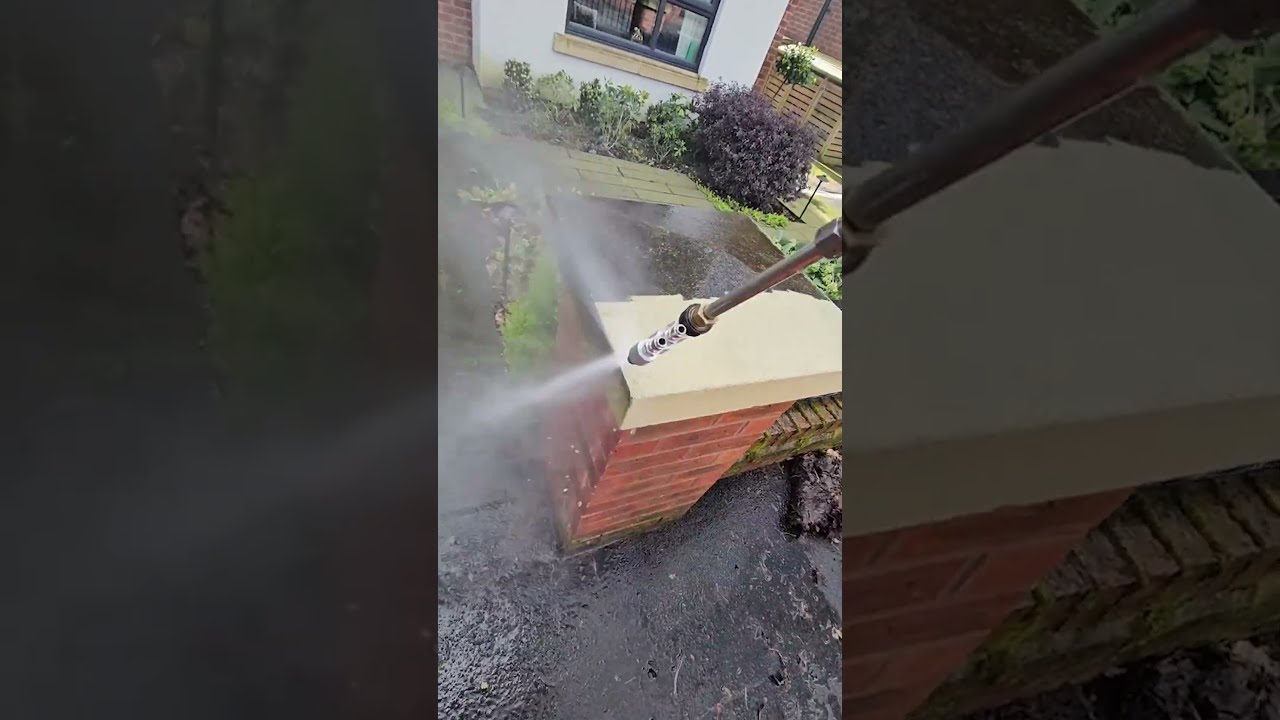
- Pressure wash with hot water. Hot water pressure washing, typically at around 80 to 90 degrees Celsius, dissolves grease far more effectively than cold water. Work in overlapping sections and keep the nozzle at a consistent distance for even results.
- Capture and dispose of wash water. Collect runoff with a vacuum recovery system and send it to an approved disposal point, such as a trade waste connection to sewer where permitted.
- Treat remaining stains. For stubborn marks, repeat the process or use a poultice, which draws oil out of the concrete as it dries.
- Rinse and inspect. Rinse thoroughly, allow the surface to dry and check for residual slickness before reopening the dock.
Choosing the Right Equipment and Products
Domestic pressure washers rarely deliver what a commercial dock needs. Cold water alone tends to push grease around rather than dissolve it. Professional-grade hot water units, surface cleaners and wet vacuum recovery systems cut cleaning time and deliver far more consistent results across large areas.
When selecting chemicals, always https://garrettkyqs228.yousher.com/why-exterior-cleaning-belongs-in-your-home-maintenance-plan check that they suit the surface. Strong acids can etch concrete, while some solvent-based products may damage sealants, line markings or rubber dock seals. Biodegradable degreasers are increasingly preferred in 2026 as businesses aim to meet environmental targets and reduce their impact on local waterways.
Environmental and Compliance Considerations in Queensland
Wash water from loading docks often contains oils, detergents and heavy metals. In Queensland, allowing these pollutants to enter stormwater drains can breach environmental protection obligations under the Environmental Protection Act 1994, and the Sunshine Coast Council expects businesses to manage runoff responsibly. Depending on your site, you may need to discharge wash water to the sewer under a trade waste approval, or use a licensed contractor who captures and removes it.
If your dock handles food, chemicals or fuel, check any additional requirements that apply to your industry. Keeping cleaning records can also help demonstrate due diligence during audits or inspections.
Preventing Grease Build-Up in the First Place
Regular maintenance is cheaper and easier than restoring a heavily contaminated dock. A few consistent habits make a significant difference:
- Keep spill kits at every bay and train staff to use them immediately.
- Place drip trays under parked vehicles and leaking equipment.
- Sweep daily and schedule routine pressure washing, monthly or quarterly depending on traffic.
- Service forklifts and hydraulic equipment regularly to prevent leaks.
- Seal the concrete with a quality penetrating or epoxy sealer so oil sits on the surface instead of soaking in.
- Keep bin areas clean, with lids closed and leachate controlled.
- Install anti-slip coatings in high-risk zones near ramps and door thresholds.
Local Factors in Maroochydore
The Sunshine Coast climate presents specific challenges. High humidity encourages mould and algae on shaded or damp dock areas, while salt-laden coastal air can accelerate corrosion of metal dock levellers, roller doors and bollards. Summer storms can also wash accumulated grime across the dock and into drains if the surface is not kept clean. Scheduling cleaning before the wet season, and again after it, helps keep problem areas under control.
When to Call a Professional Cleaning Service
Basic sweeping and spot cleaning can be handled in-house, but professional help is worth considering when:
stains are deeply ingrained or cover large areas; the dock has not been cleaned for months or years; you need wash water captured and disposed of lawfully; your site requires cleaning outside operating hours to avoid disruption; or you want a documented, repeatable maintenance schedule. A professional commercial cleaning provider brings hot water equipment, recovery systems, appropriate chemicals and the experience to treat different surfaces without causing damage.
Keep Your Loading Dock Safe, Clean and Compliant
Removing grease and grime from a commercial loading dock takes the right preparation, products, equipment and disposal practices. Done properly, it improves safety, protects your concrete, supports environmental compliance and presents a professional image to every driver and customer who visits. For Maroochydore businesses, a regular cleaning schedule tailored to local conditions is one of the simplest ways to protect your site and your team in 2026 and into 2027 and beyond. If your dock is overdue for attention, contacting a local commercial pressure cleaning specialist is the fastest way to restore it and keep it that way.
Maroochydore Pressure Cleaning
Ends · ANGELOWSBU219